When Kids Hurt: A Hope-Filled Guide for Children’s Grief Awareness Month
Every November, we pause to recognize Children’s Grief Awareness Month, a powerful reminder that grieving children are all around us. They sit in our classrooms, play on our sports teams, walk the halls of our churches, and live in our homes. And yet, their grief often goes unseen—not because they aren’t hurting, but because they express grief differently than adults.
At Hope Again Counseling, I spend much of my work supporting teens, adults, and families through all forms of loss. What I see over and over again is this: children do grieve—deeply and honestly—and they depend on adults to guide them through it.
In this blog, we’ll explore what makes children’s grief unique, the myth of resilience, and how the adults in their lives can offer meaningful, emotionally safe support.

Children Grieve More Than Most People Realize
The numbers may surprise you:
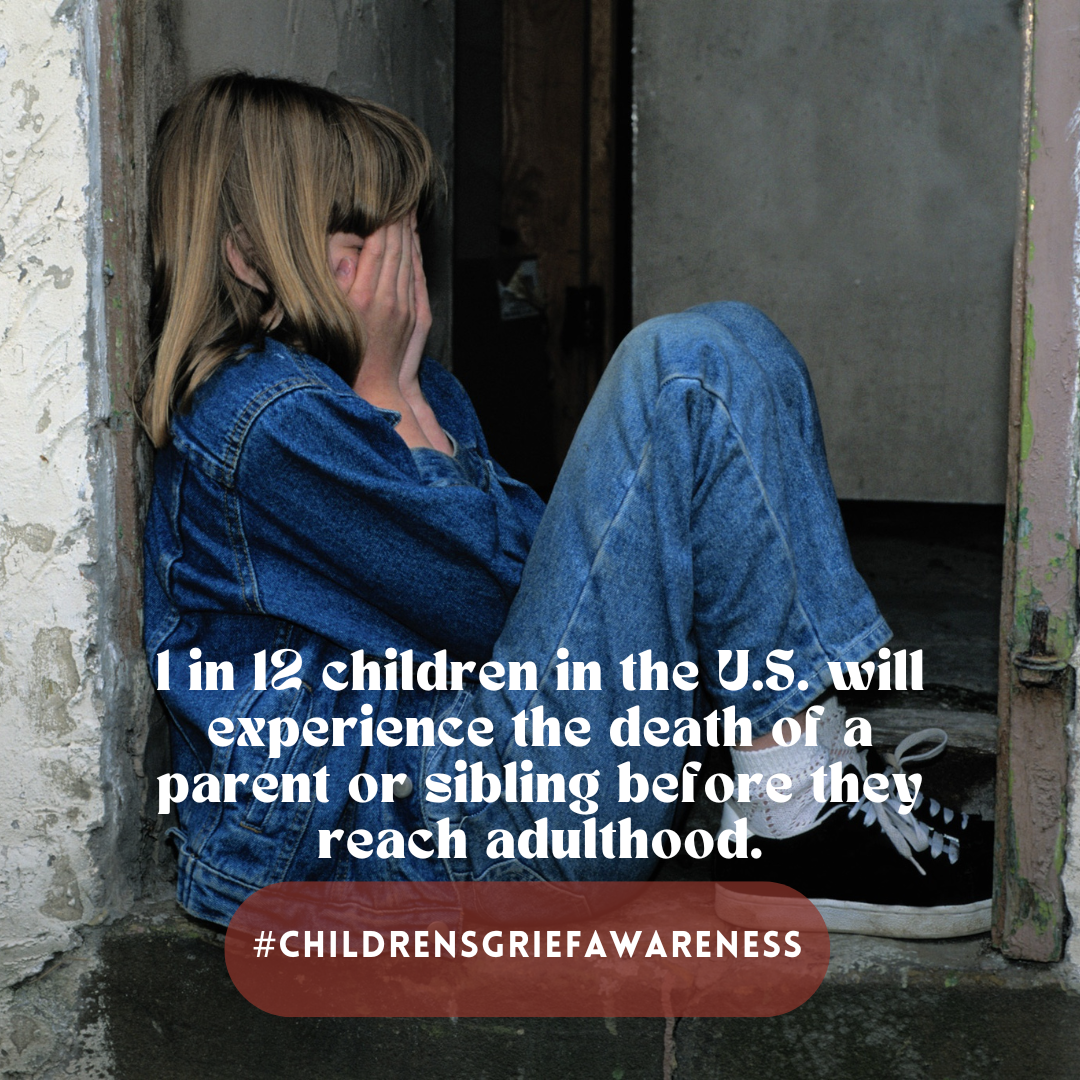
🟦 1 in 12 children in the United States will experience the death of a parent or sibling by age 18.
🟦 Many more will grieve non-death losses—divorce, moves, illness, abandonment, estrangement, and changes in family structure.
Yet children rarely have the words or development to express the weight they carry. Instead, their grief appears in behaviors:
- Big emotions followed by sudden playfulness
- Regressions (sleep changes, irritability, clinginess)
- Difficulty focusing or changes in school performance
- Physical complaints like stomachaches and headaches
- Asking the same questions again and again
This “in and out” pattern isn’t avoidance—it’s actually the brain protecting them. Children experience grief in small, manageable doses, then return to play to regulate their nervous systems.

The Myth of “Kids Are So Resilient”
One of the greatest misunderstandings about childhood grief is the belief that children naturally bounce back.
But saying “Kids are so resilient” can unintentionally silence their needs.
Children do not automatically become resilient. Resilience is nurtured through:
- Truthful, age-appropriate explanations
- Being allowed to ask questions
- Having their feelings acknowledged
- Maintaining routines and safety
- Being surrounded by supportive, present adults
When children aren’t given space or guidance, unresolved grief can surface later in life as anxiety, emotional dysregulation, depression, relationship struggles, or identity confusion.
Grieving children don’t need us to be perfect—they need us to be honest, consistent, and safe.
How Adults Can Support a Grieving Child
Supporting a grieving child doesn’t require special training. It requires presence, patience, and compassion.
Here are some ways you can help:
1. Use Clear and Honest Language
Avoid euphemisms like “went to sleep” or “we lost her.” Children interpret language literally. Honest words build trust.
2. Answer Their Questions Simply
Kids often ask the same questions many times. This repetition helps their brains process the reality of the loss.
3. Validate Their Feelings
Let them know sadness, anger, worry, and even laughter are normal parts of grief.
4. Keep Routines Consistent
Predictability creates emotional safety.
5. Allow Play as a Coping Tool
Play is how children heal. It is not a sign that they aren’t grieving.
6. Create Rituals for Connection
Lighting a candle, telling stories, drawing pictures, or creating memory boxes can all help.
7. Seek Support When Needed
If a child shows significant changes in behavior, emotions, or functioning, professional support can be deeply helpful.
Remember: children are not grieving “less” than adults—they’re grieving differently.
Recommended Books for Supporting Grieving Children and Teens
Books can be powerful tools for helping children understand loss, name their feelings, and feel less alone. Here are some gentle, grief-informed options for a variety of ages:
📘 God Gave Us Heaven by Lisa Tawn Bergren
A warm, easy-to-understand Christian explanation of heaven told through a mama bear and her curious cub. Great for younger kids with big questions about where their loved one is now.
📘 The Invisible String by Patrice Karst:
A beautiful and beloved story reminding children that love keeps us connected to the people we miss—no matter how far apart we are. Wonderful for younger kids and early elementary ages.
📗 The Invisible Leash by Patrice Karst:
A companion book focused on pet loss. Simple, honest, and comforting for children grieving an animal they loved.
📙 When Dinosaurs Die: A Guide to Understanding Death by Laurie Krasny Brown & Marc Brown
Offers clear, honest explanations about death and the feelings that follow. Great for ages 4–8 and especially helpful for children who need concrete information.
📘 The Memory Box: A Book About Grief by Joanna Rowland
A tender book that helps children explore memories, keepsakes, and ways to stay connected to someone who has died. Helpful for ritual-building and discussion.
📙 Sad Isn’t Bad: A Good-Grief Guidebook for Kids Dealing With Loss by Michaelene Mundy
A gentle introduction to grief that reinforces emotional expression and provides meaningful support for younger readers.
📘 Tear Soup by Pat Schwiebert & Chuck DeKlyen
A timeless story suitable for older children, teens, and even adults. It’s a powerful metaphor for grief and the personal, unique way each person heals.
📗 For Teens: You Are Not Alone: Teens Talk About Life After the Loss of a Parent by Lynne B. Hughes
Candid stories from teens navigating real grief experiences. Validating and normalizing for adolescents who feel misunderstood.
📗 What Happens When a Friend Dies? by Michaelene Mundy
While not exclusively religious, this book includes references to God’s love and purpose. It helps kids understand death, grief, and hope in very accessible language.

Hope for Every Age
Although Children’s Grief Awareness Month focuses on the youngest grievers, it is also a reminder that many adults are walking around carrying the grief they never had help with as children.
That’s why I offer:
🌿 A free Grief Talk on the 2nd Saturday of every month for any adult grieving current or past losses.
🌿 Therapy sessions for individuals ages 12–99 who are navigating grief, anxiety, and emotional overwhelm.
If you or someone you love is grieving—no matter how old the loss may be—you do not have to walk that path alone. There is hope, and healing is possible.
